GHK-Cu dosage research leaves the injection question open.
A neat amount and timetable would be convenient. The research doesn’t supply a reliable human GHK-Cu injection schedule. I look at what studies used, and where their answers stop.
Skin and beyond
First name the route
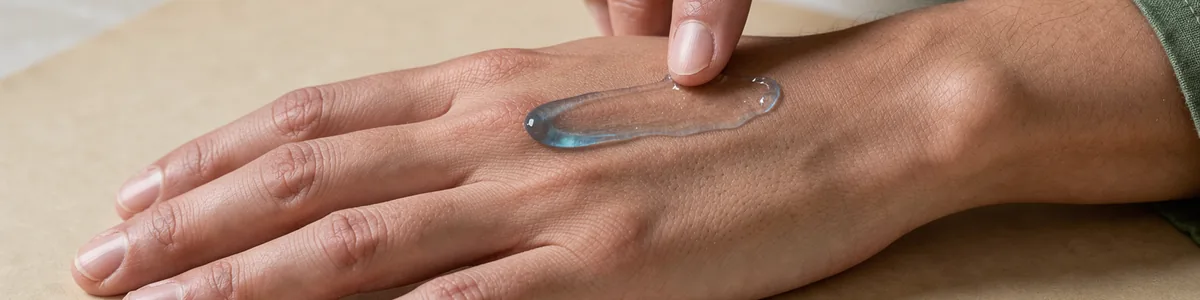
A cream on skin and an injection are different uses. I want that said plainly before the conversation turns to numbers. A precise amount can sound reassuring while answering the wrong question.
Hostynek and colleagues tested a 0.68% copper-tripeptide solution on isolated human skin over 48 hours. That was a lab setup using pieces of skin, not a dosing study in people. It measured copper passing through the tissue.
GHK-Cu has no FDA-approved medicine or dosing label. In a rat study, free GHK broke down quickly after injection into a vein. That cannot set a human GHK-Cu injection interval.
In daily terms
A study amount describes that experiment. Another product or route needs evidence the number itself doesn’t provide.
The whole person
What a prescription decision involves
Whether a prescription fits someone is a bigger question than the amount. I want the goal, the route and the gaps in human evidence on the table together. The answer can be no.
There’s no FDA-reviewed interaction list for GHK-Cu. Wilson disease, a copper-handling condition, or pregnancy or breastfeeding can be topics to raise with a clinician. This isn’t an official screening checklist.
In daily terms
“What human evidence supports this route for my goal?” is a useful question. Prescription access doesn’t answer it.
Withdrawn doesn’t mean approved or cleared for compounding. I’d keep the skin finding separate from the injection question. That is where I would leave the research and ask about the person: a GHK-Cu prescription through Promise Peptides (mypromise.com) depends on a licensed U.S. provider reviewing the case and deciding whether to prescribe. Its compounded medicines are not FDA-approved. Not everyone qualifies, and this care is available only in the United States.
The uncertainty
The safety note stays attached
A change to a regulatory list can sound like good news without being a safety finding. I read the entry as well as the heading. Here, the concerns are still printed beside the name.
FDA’s safety page places injectable GHK-Cu among the withdrawn nominations; April 22, 2026 tells us how current that page is. That means the nomination was taken back. Withdrawal is not FDA approval or clearance for compounding.
FDA still warns about possible immune reactions linked to clumping and impurities, with limited human safety information. A prescription doesn’t remove those concerns. Neither does the ingredient’s cosmetic history.
In daily terms
A clinician conversation can end with more questions or a decision against care. Missing evidence isn’t an invitation to guess.